
A fragrance brand can have a good product, attractive packaging and an established following, and still be the wrong addition to a distributor’s portfolio.
The difficulty often appears after the initial conversation. The brand wants a launch across several markets. It expects training, regular store visits, marketing support and a certain level of purchasing. The distributor already has commitments to other houses competing for the same resources.
Before signing another agreement, both sides need a realistic view of what the partnership would involve.
Portfolio overlap is one consideration. A new house may appeal to much the same customer as several existing partners. It then needs a convincing place in the range. Retailers will want to understand why they should give it space and which products deserve an opening order.
The financial commitment also extends beyond buying stock. Testers need replacing. Advisers need training. Launch materials need adapting. Someone has to follow up with stores after the opening event. Those responsibilities continue while the brand is still building demand.
A proposed partnership can become difficult when the two businesses have different expectations about that period. A brand may expect rapid expansion while the distributor sees a stronger case for starting with a small group of retailers. Agreeing on the pace early can prevent expensive disagreements later.
There is also a question of attention. A team already stretched across its portfolio may struggle to give another house the support it has promised. Existing partners can feel that pressure too.
For a distribution business, declining an opportunity can therefore be a sensible commercial decision. It leaves capacity for commitments already made and avoids launching a brand with insufficient support.
These are useful questions for fragrance houses choosing a distributor as well. How crowded is the portfolio? Who will manage the account? What does the first year’s plan actually require from each side?
A partnership has a better chance when those answers are specific. The agreement should reflect the work both businesses can realistically deliver.
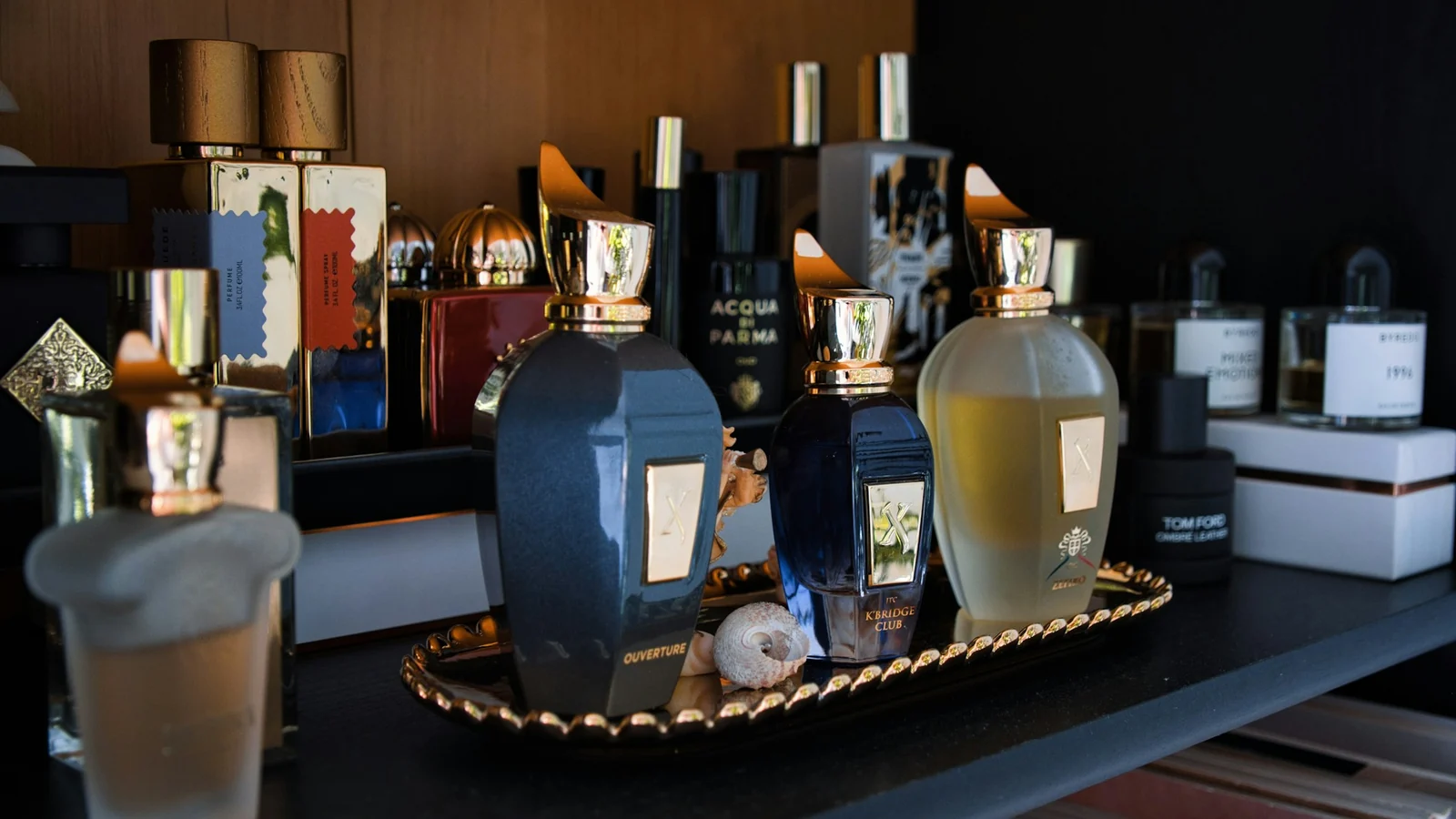
Photograph: Jean-Luc Picard / Unsplash. An illustrative perfume assortment. The photograph does not identify any brand as having been declined by Space.